Everybody Wins in Game 7

Nobody is saying championships are rigged. We're just saying an awful lot of people benefit when they go the distance.
As the NBA Finals and Stanley Cup Final march toward their conclusions, fans everywhere are hoping for the same thing: a winner.
Everyone else might be hoping for something slightly different. A championship series can end in four games. It can end in five. It can end in six. Yet somehow, whenever a series gets extended, an awful lot of people seem to benefit.
Start with ticket sales. Every extra playoff game means another sold-out arena and millions in gate revenue. Then there are concessions, where fans willingly exchange portions of their retirement savings for beer, hot dogs, and bottled water.
The team stores aren't complaining either. Jerseys, hats, rally towels, championship merchandise, commemorative pucks, commemorative basketballs, commemorative commemorative items—every additional game creates another opportunity to outfit an entire city in team colors.
Then come the television networks. Playoff games draw massive audiences, and a Game 7 is television gold. Advertisers pay premium rates for premium eyeballs, and nothing attracts eyeballs quite like the possibility of a season ending tonight.
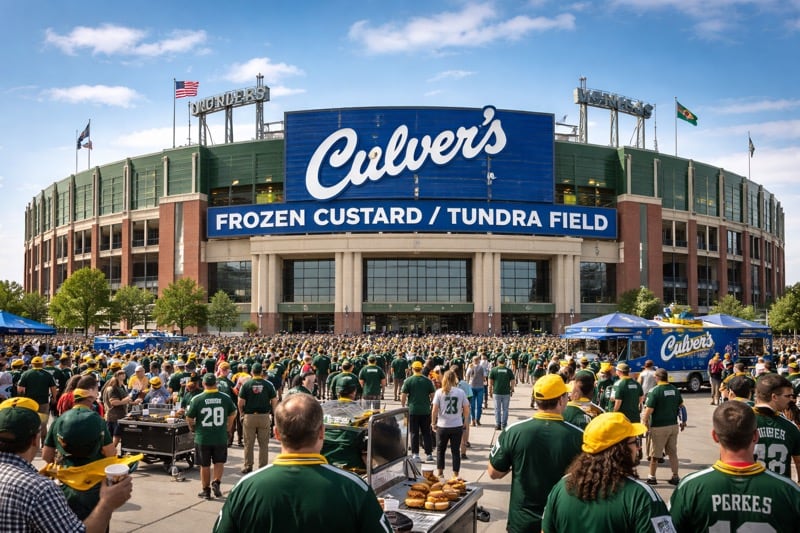
 The economic benefits don't stop at the arena doors. Restaurants, hotels, ride-share drivers, parking lots, and local businesses all enjoy the boost that comes with a championship game in town. Sports bars across the country join the party as millions of fans gather to watch from somewhere other than their living rooms.
And then there are the sportsbooks.
Point spreads. Moneylines. Parlays. Player props. Live betting. A Game 7 isn't just another game—it's an entirely new inventory of wagers.
To be clear, there is absolutely no evidence that professional sports leagues manipulate championship outcomes. There is, however, overwhelming evidence that everyone involved makes an astonishing amount of money when a series doesn't end early.
So are championship series secretly engineered to reach seven games? Probably not. Maybe. Almost certainly maybe.
But when an extra game means millions in ticket sales, millions more in advertising, packed sports bars, booming sportsbooks, and enough merchandise sales to clothe a small nation, it's hard not to notice that everybody seems to win in Game 7.
I'm not a betting man. But if I had to make a bet, I'd put my money on Game 7.
The economic benefits don't stop at the arena doors. Restaurants, hotels, ride-share drivers, parking lots, and local businesses all enjoy the boost that comes with a championship game in town. Sports bars across the country join the party as millions of fans gather to watch from somewhere other than their living rooms.
And then there are the sportsbooks.
Point spreads. Moneylines. Parlays. Player props. Live betting. A Game 7 isn't just another game—it's an entirely new inventory of wagers.
To be clear, there is absolutely no evidence that professional sports leagues manipulate championship outcomes. There is, however, overwhelming evidence that everyone involved makes an astonishing amount of money when a series doesn't end early.
So are championship series secretly engineered to reach seven games? Probably not. Maybe. Almost certainly maybe.
But when an extra game means millions in ticket sales, millions more in advertising, packed sports bars, booming sportsbooks, and enough merchandise sales to clothe a small nation, it's hard not to notice that everybody seems to win in Game 7.
I'm not a betting man. But if I had to make a bet, I'd put my money on Game 7.
The economic benefits don't stop at the arena doors. Restaurants, hotels, ride-share drivers, parking lots, and local businesses all enjoy the boost that comes with a championship game in town. Sports bars across the country join the party as millions of fans gather to watch from somewhere other than their living rooms.
And then there are the sportsbooks.
Point spreads. Moneylines. Parlays. Player props. Live betting. A Game 7 isn't just another game—it's an entirely new inventory of wagers.
To be clear, there is absolutely no evidence that professional sports leagues manipulate championship outcomes. There is, however, overwhelming evidence that everyone involved makes an astonishing amount of money when a series doesn't end early.
So are championship series secretly engineered to reach seven games? Probably not. Maybe. Almost certainly maybe.
But when an extra game means millions in ticket sales, millions more in advertising, packed sports bars, booming sportsbooks, and enough merchandise sales to clothe a small nation, it's hard not to notice that everybody seems to win in Game 7.
I'm not a betting man. But if I had to make a bet, I'd put my money on Game 7.