NFL Fans Await Unrealistic Optimism for Upcoming Season
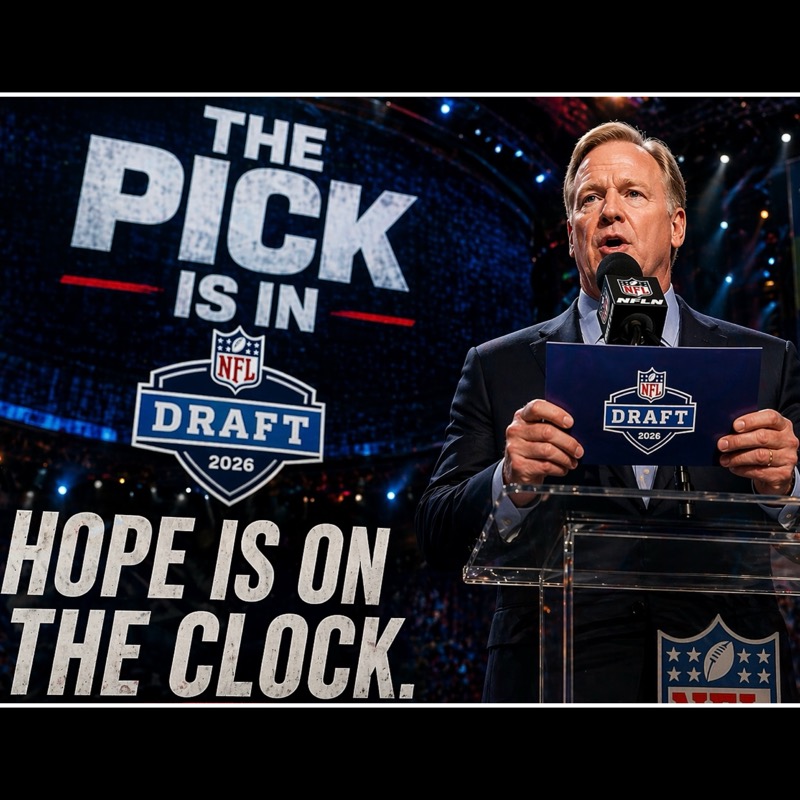
Every draft pick is a future star until proven otherwise-and even then, we'll need to see more tape
Every spring, like clockwork (and slightly ahead of allergy season), the NFL Draft arrives to remind us that hope is both renewable and aggressively overproduced.
For three days, franchises across the league engage in a meticulously choreographed exercise of scouting, speculation, and selective delusion. Prospects are dissected with the precision of a NASA launch—40-yard dash times analyzed to the hundredth, hand sizes measured as if quarterbacks are expected to palm medicine balls mid-blizzard, and interviews scrutinized for any sign that a 21-year-old might, tragically, be 21.
Entire cottage industries now exist to support the draft ecosystem. There are mock drafts (thousands of them), big boards, sleeper picks, bust projections, and the annual tradition of confidently incorrect predictions. Analysts speak in a dialect that blends football jargon with light prophecy—phrases like “high motor,” “raw but coachable,” and “ceiling through the roof” float freely, untethered from consequence. Meanwhile, fans watch, absorb, and quietly begin rewriting reality.
The Fan Draft
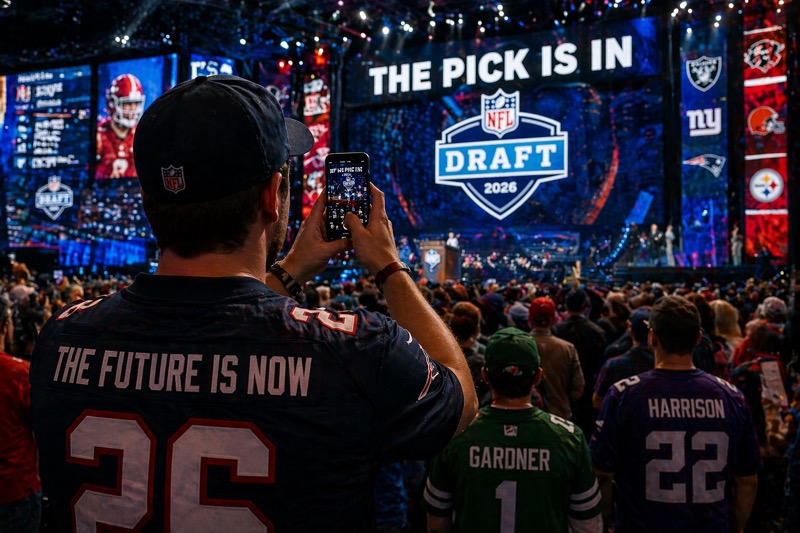
In living rooms, group chats, and comment sections nationwide, a different draft unfolds—one less constrained by roster needs, salary caps, or the minor inconvenience of other teams existing.
Teams must choose between drafting for need or selecting the best player available—a philosophical debate that has somehow persisted despite most fans believing their team should simply draft “the best player at every position they need immediately.” It’s a clean system, really.
A team lacking a quarterback will absolutely land the top prospect… who will also fall to them unexpectedly… because reasons. A generational wide receiver will slide just far enough to be “a steal,” and this year—unlike all previous years—the offensive line will finally be fixed by a single mid-round pick with “great upside.”
Fans don’t just want improvement; they want narrative symmetry. They want redemption arcs, instant impact, and preferably a rookie who plays like a 10-year veteran but still counts against the salary cap like a coupon. And for a brief, shining moment, it all feels possible.
 Mock Drafts: Confidence Without Consequence
If the draft is theater, mock drafts are rehearsals. Analysts, influencers, your friend who “watches a lot of college ball,” and at least one person who insists their dog correctly predicted last year’s first round. Each mock is delivered with the calm authority of inevitability, despite the historical accuracy rate hovering somewhere between “coin flip” and “creative writing exercise.” Still, they serve a purpose. They give structure to the chaos. They allow fans to rehearse joy, outrage, and the phrase “I can’t believe we passed on him” before it’s even necessary.
The Reveal: Hope, Confusion, and Immediate Analysis
When the picks finally come in, reactions arrive almost faster than the selections themselves. Cheers. Boos. Immediate grades. Long-term projections made within seconds of hearing a name called. A player is either “exactly what we needed” or “a reach,” sometimes simultaneously. And then comes the most important step: justification.
Every pick, no matter how puzzling, is explainable. There’s always a clip, a stat, or a narrative thread that ties it all together. Fans adjust. Expectations recalibrate. Optimism finds a way. Because it always does.
A Well-Oiled Machine (And Why We Love It)
The genius of the National Football League isn’t just the game—it’s the ecosystem.
The draft is part talent acquisition, part reality show, part national group project. It creates jobs for scouts, analysts, broadcasters, content creators, and the guy who somehow turns a seventh-round pick into a 12-minute highlight breakdown before the commercial break ends.
It gives fans something to care about in the offseason, a storyline to follow, and a reason to believe that this year might finally be different. It’s predictable in structure, unpredictable in outcome, and perfectly calibrated to keep us coming back. Because at its core, the draft isn’t just about players. It’s about possibility.
And in a world that doesn’t always offer clean narratives or second chances, there’s something comforting about a system that resets every year, hands you a fresh batch of hope, and says, “Go ahead—talk yourself into it.” Most of us will.
So here’s to the optimism. Unrealistic, unshakable, and right on schedule.
Mock Drafts: Confidence Without Consequence
If the draft is theater, mock drafts are rehearsals. Analysts, influencers, your friend who “watches a lot of college ball,” and at least one person who insists their dog correctly predicted last year’s first round. Each mock is delivered with the calm authority of inevitability, despite the historical accuracy rate hovering somewhere between “coin flip” and “creative writing exercise.” Still, they serve a purpose. They give structure to the chaos. They allow fans to rehearse joy, outrage, and the phrase “I can’t believe we passed on him” before it’s even necessary.
The Reveal: Hope, Confusion, and Immediate Analysis
When the picks finally come in, reactions arrive almost faster than the selections themselves. Cheers. Boos. Immediate grades. Long-term projections made within seconds of hearing a name called. A player is either “exactly what we needed” or “a reach,” sometimes simultaneously. And then comes the most important step: justification.
Every pick, no matter how puzzling, is explainable. There’s always a clip, a stat, or a narrative thread that ties it all together. Fans adjust. Expectations recalibrate. Optimism finds a way. Because it always does.
A Well-Oiled Machine (And Why We Love It)
The genius of the National Football League isn’t just the game—it’s the ecosystem.
The draft is part talent acquisition, part reality show, part national group project. It creates jobs for scouts, analysts, broadcasters, content creators, and the guy who somehow turns a seventh-round pick into a 12-minute highlight breakdown before the commercial break ends.
It gives fans something to care about in the offseason, a storyline to follow, and a reason to believe that this year might finally be different. It’s predictable in structure, unpredictable in outcome, and perfectly calibrated to keep us coming back. Because at its core, the draft isn’t just about players. It’s about possibility.
And in a world that doesn’t always offer clean narratives or second chances, there’s something comforting about a system that resets every year, hands you a fresh batch of hope, and says, “Go ahead—talk yourself into it.” Most of us will.
So here’s to the optimism. Unrealistic, unshakable, and right on schedule.
Mock Drafts: Confidence Without Consequence
If the draft is theater, mock drafts are rehearsals. Analysts, influencers, your friend who “watches a lot of college ball,” and at least one person who insists their dog correctly predicted last year’s first round. Each mock is delivered with the calm authority of inevitability, despite the historical accuracy rate hovering somewhere between “coin flip” and “creative writing exercise.” Still, they serve a purpose. They give structure to the chaos. They allow fans to rehearse joy, outrage, and the phrase “I can’t believe we passed on him” before it’s even necessary.
The Reveal: Hope, Confusion, and Immediate Analysis
When the picks finally come in, reactions arrive almost faster than the selections themselves. Cheers. Boos. Immediate grades. Long-term projections made within seconds of hearing a name called. A player is either “exactly what we needed” or “a reach,” sometimes simultaneously. And then comes the most important step: justification.
Every pick, no matter how puzzling, is explainable. There’s always a clip, a stat, or a narrative thread that ties it all together. Fans adjust. Expectations recalibrate. Optimism finds a way. Because it always does.
A Well-Oiled Machine (And Why We Love It)
The genius of the National Football League isn’t just the game—it’s the ecosystem.
The draft is part talent acquisition, part reality show, part national group project. It creates jobs for scouts, analysts, broadcasters, content creators, and the guy who somehow turns a seventh-round pick into a 12-minute highlight breakdown before the commercial break ends.
It gives fans something to care about in the offseason, a storyline to follow, and a reason to believe that this year might finally be different. It’s predictable in structure, unpredictable in outcome, and perfectly calibrated to keep us coming back. Because at its core, the draft isn’t just about players. It’s about possibility.
And in a world that doesn’t always offer clean narratives or second chances, there’s something comforting about a system that resets every year, hands you a fresh batch of hope, and says, “Go ahead—talk yourself into it.” Most of us will.
So here’s to the optimism. Unrealistic, unshakable, and right on schedule.